


Creating a truly accessible smart home service
- Client
- Hydro-Québec
- Industry
- Industrial & Infrastructure
- Category
- Mobile App
- Ref
- PHA-1222
Mandate
Hilo, a subsidiary of Hydro-Québec, the province’s sole electricity provider, set out to empower Quebecers to reduce their energy consumption through smart home technology and dynamic energy management. The challenge was turning a complex, utility-driven service into a simple, engaging, human-centered experience, one compelling enough to stand up against offerings from giants like Apple and Google.
Our mandate was to build Hilo’s digital ecosystem from the ground up, starting with the app at its core, designed to seamlessly control a range of connected devices. From go-to-market strategy to design and development, our goal was to create a digital experience that made energy efficiency feel intuitive, rewarding, and deeply personal. We also developed the e-commerce platform that enables users to subscribe to the service and purchase Hilo's products.
Results
$124.54
Average reward per participant
226.5 kWh
Average energy savings per participant
96%
participation rate
Turning friction into excitement
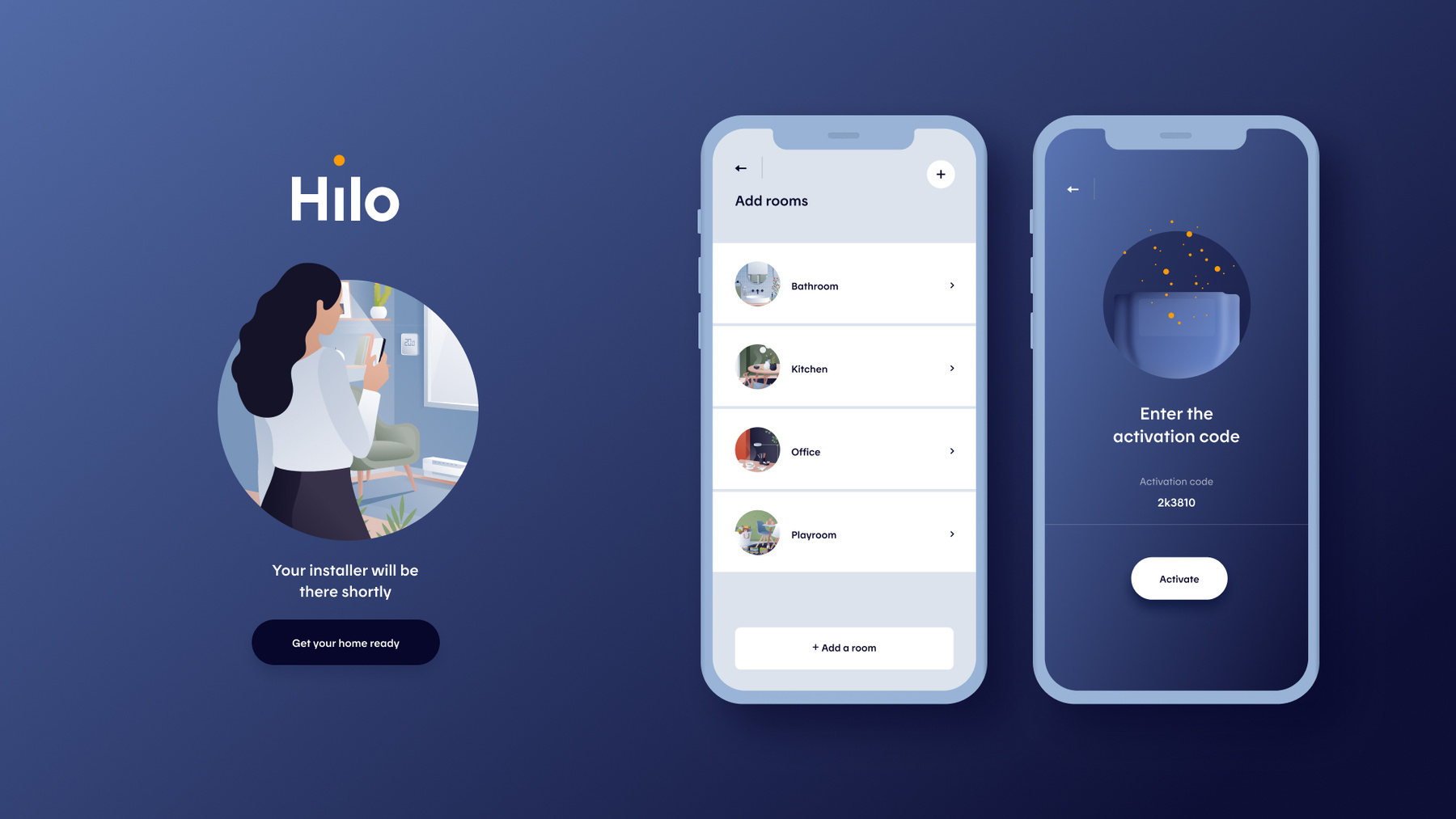
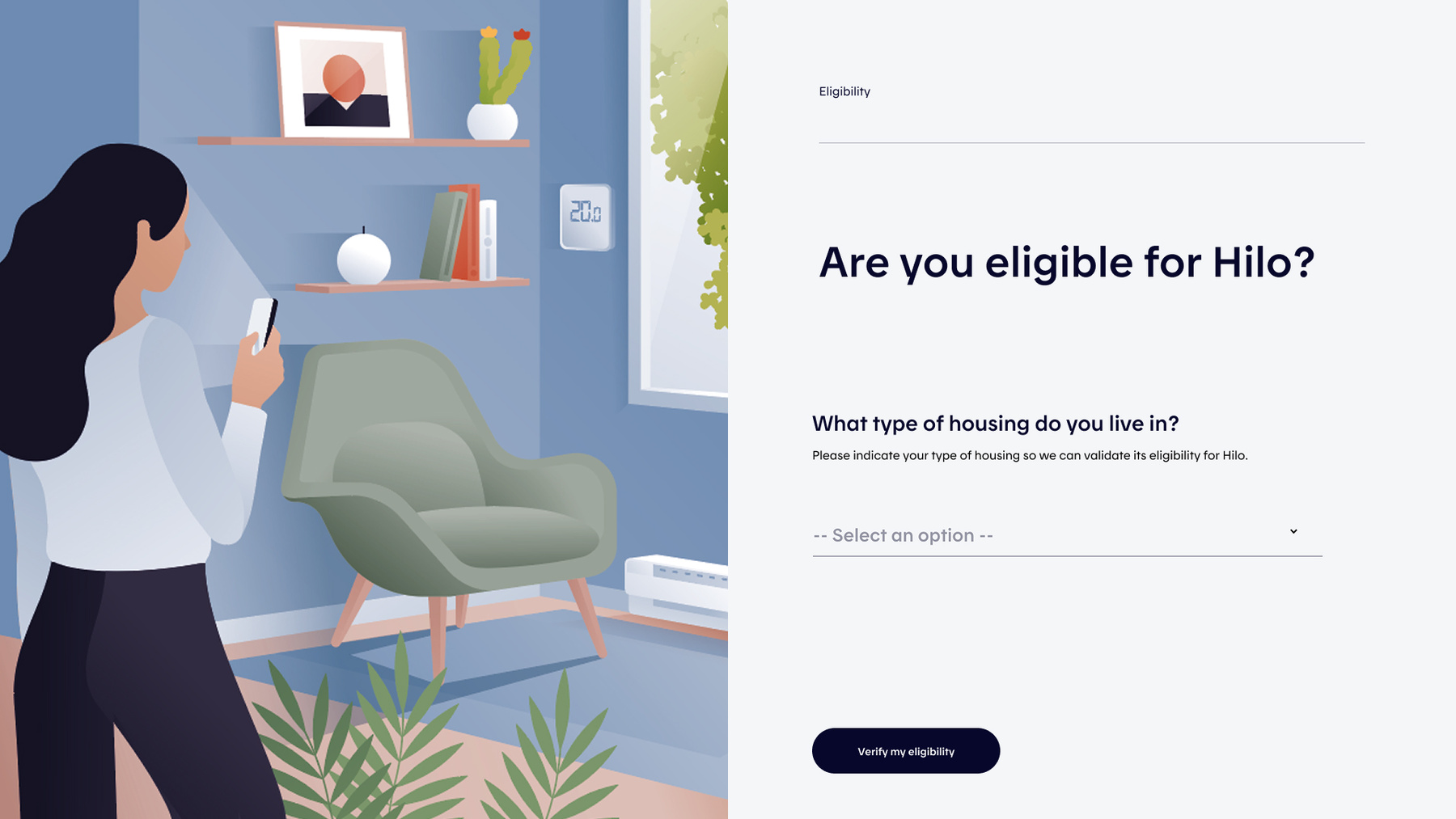
Hilo’s market entry faced a major challenge: making the purchase, installation, and account creation experience seamless and engaging. To offer a truly accessible service, the thermostats were installed by professionals for free, which required waiting for up to a month after ordering. To overcome frustrations and generate anticipation, we designed a simple journey where users could start configuring their homes before the installer’s arrival, welcoming them in their new environment.
Accessible and delightful design
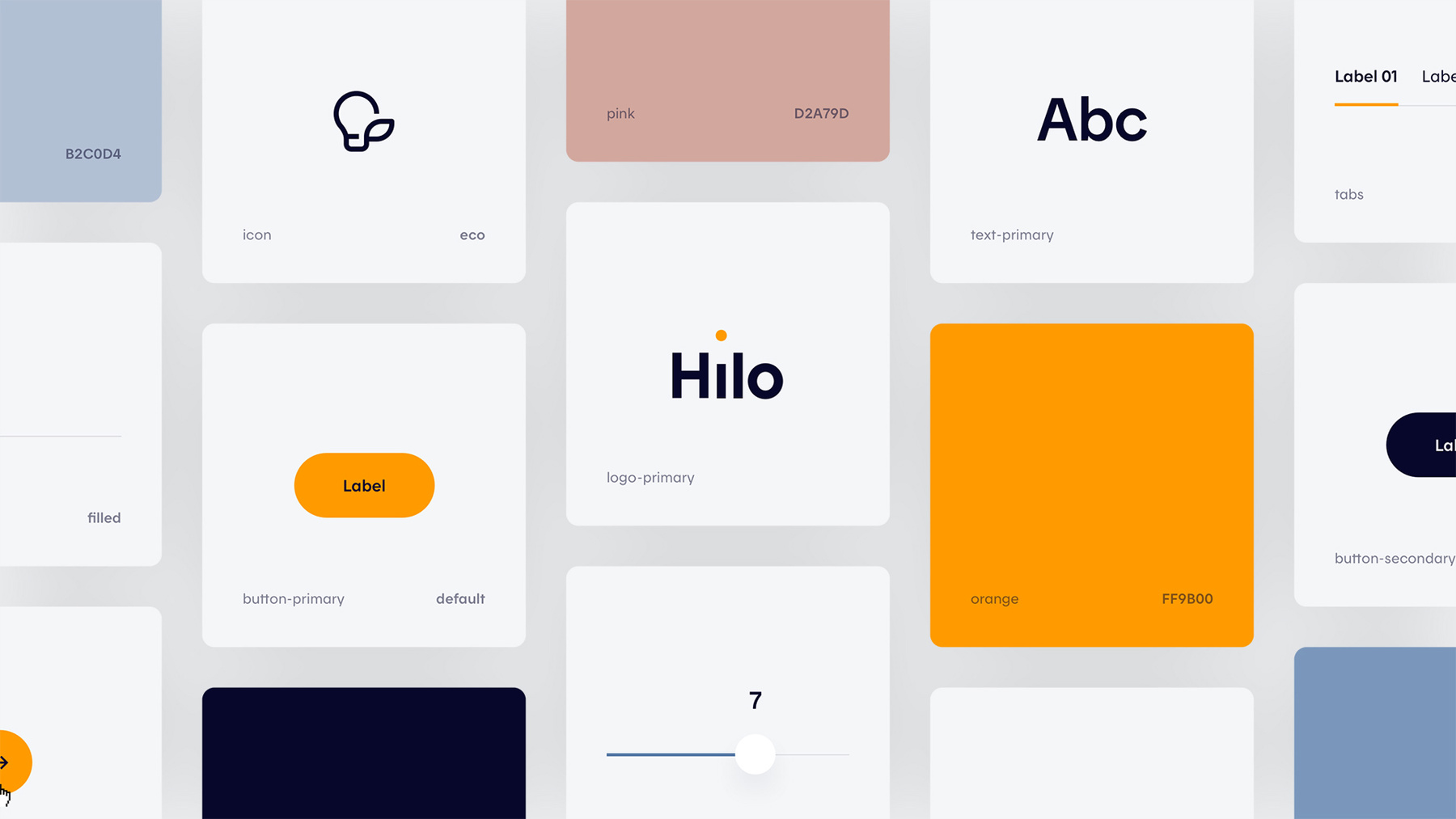
With the app targeting a very broad public, from newcomers in the world of connected devices to actual power users, the design needed to be simple yet give everyone control over their experience. To that end, we built an accessible design system that’s approachable, universal, but that also delights with micro-interactions.
Frictionless onboarding
We designed the onboarding process to demystify each feature. Interactive tutorials guide users through both everyday tasks and the more advanced home automation capabilities, ensuring new clients don’t get left behind and giving experienced users just the right level of support.
llustrative approach
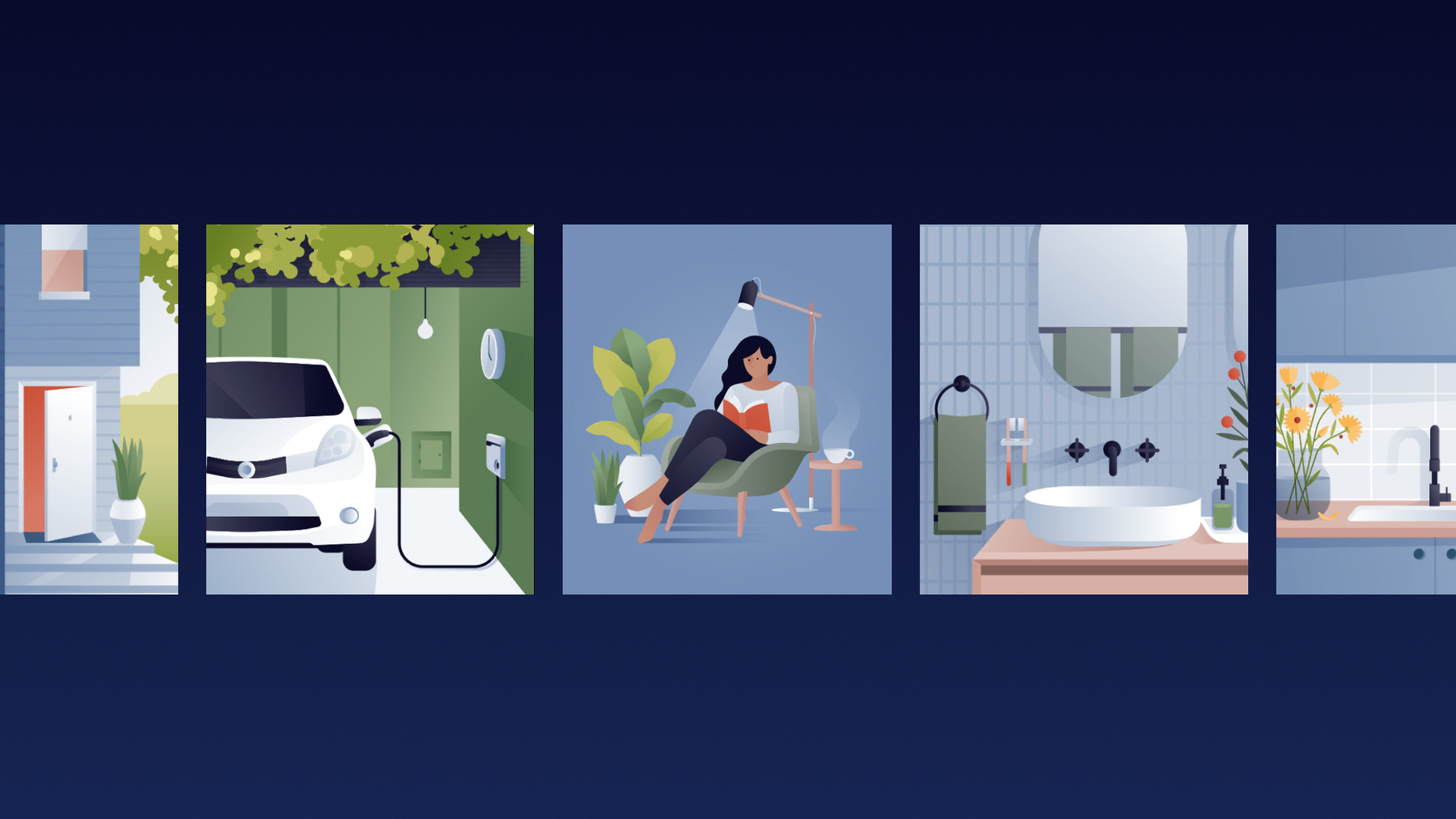
To visually represent each room in the interface, we chose an illustrative style aligned with the brand, avoiding real house photos that risked alienating users who might not identify with those specific settings. Each room was crafted to be both instantly recognizable and broadly relatable.
Gamification to foster engagement
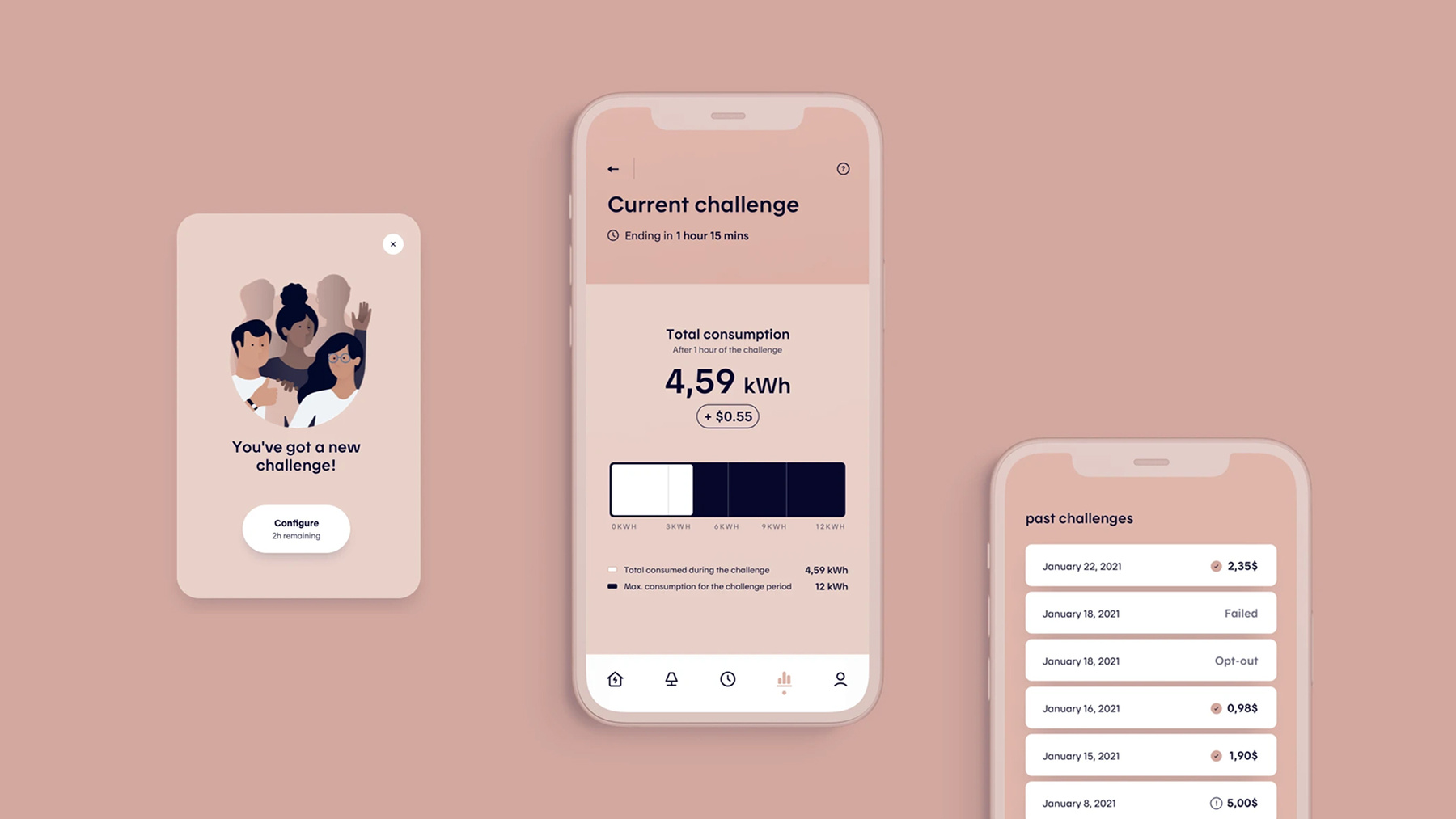
Energy-reduction challenges form the core of the service, encouraging users to lower their consumption during four-hour peak periods. Smart notifications, real-time progress tracking, and tangible micro-rewards transformed what could have been a tedious task into an engaging, gamified experience. The result: a 96% participation rate, driving measurable reductions in peak demand and reinforcing user loyalty.
Building a community
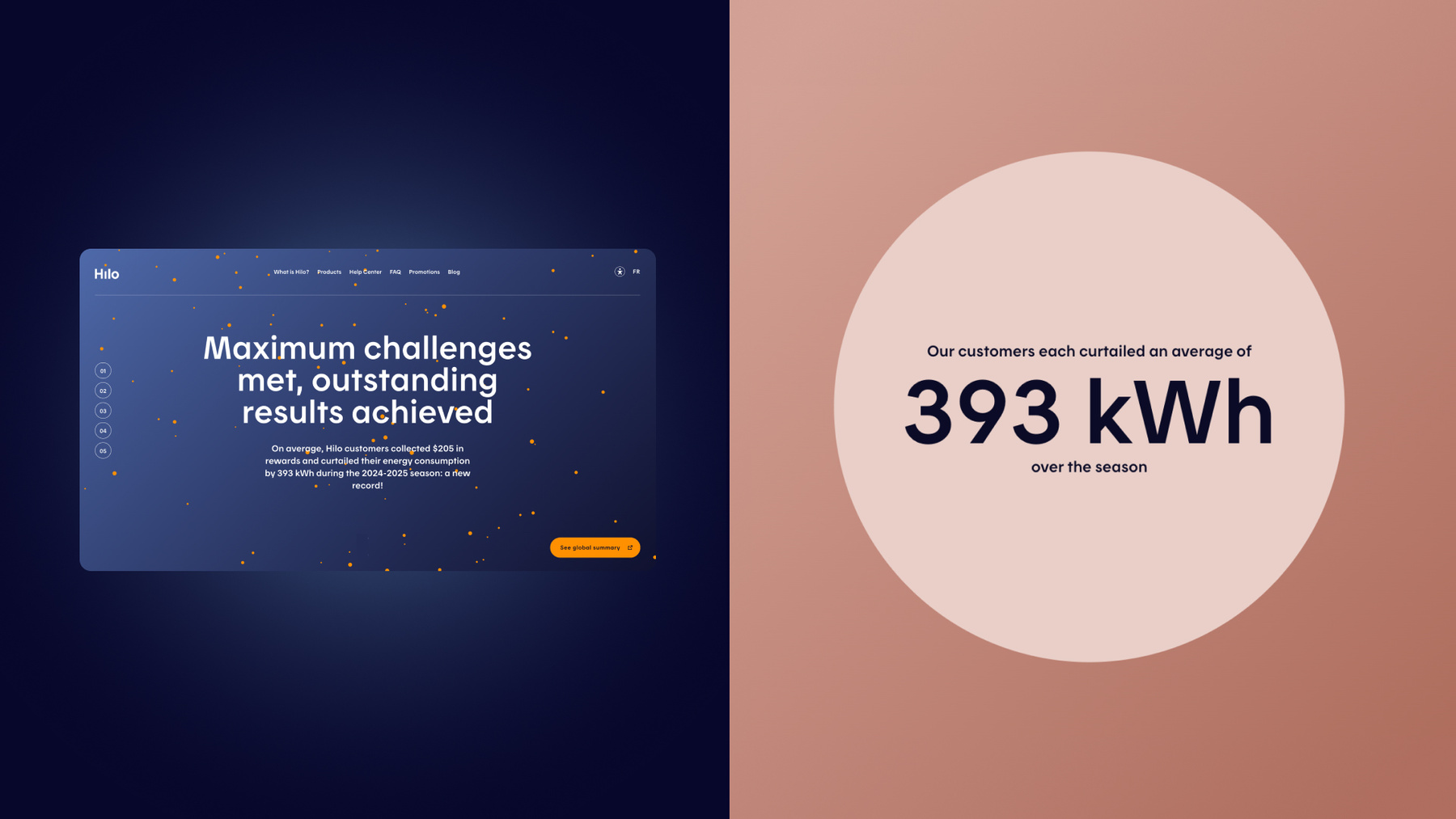
To counter the "drop in the ocean" effect and cultivate a strong sense of community impact, we developed an annual wrap-up report. It highlights collective efforts and utilizes comparative data to visualize intangible statistics, such as kilowatt-hours saved.
Advanced features, simplified
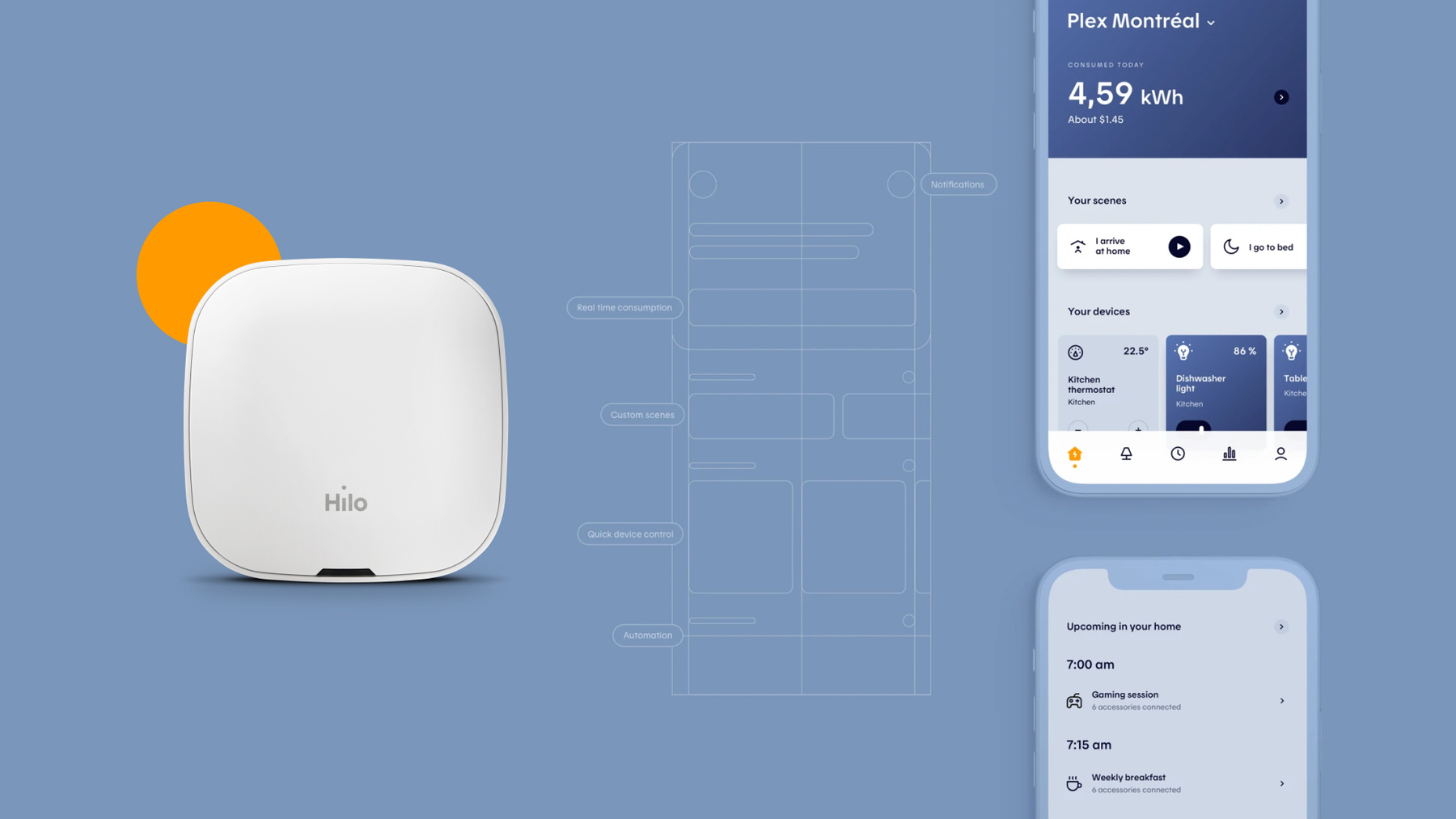
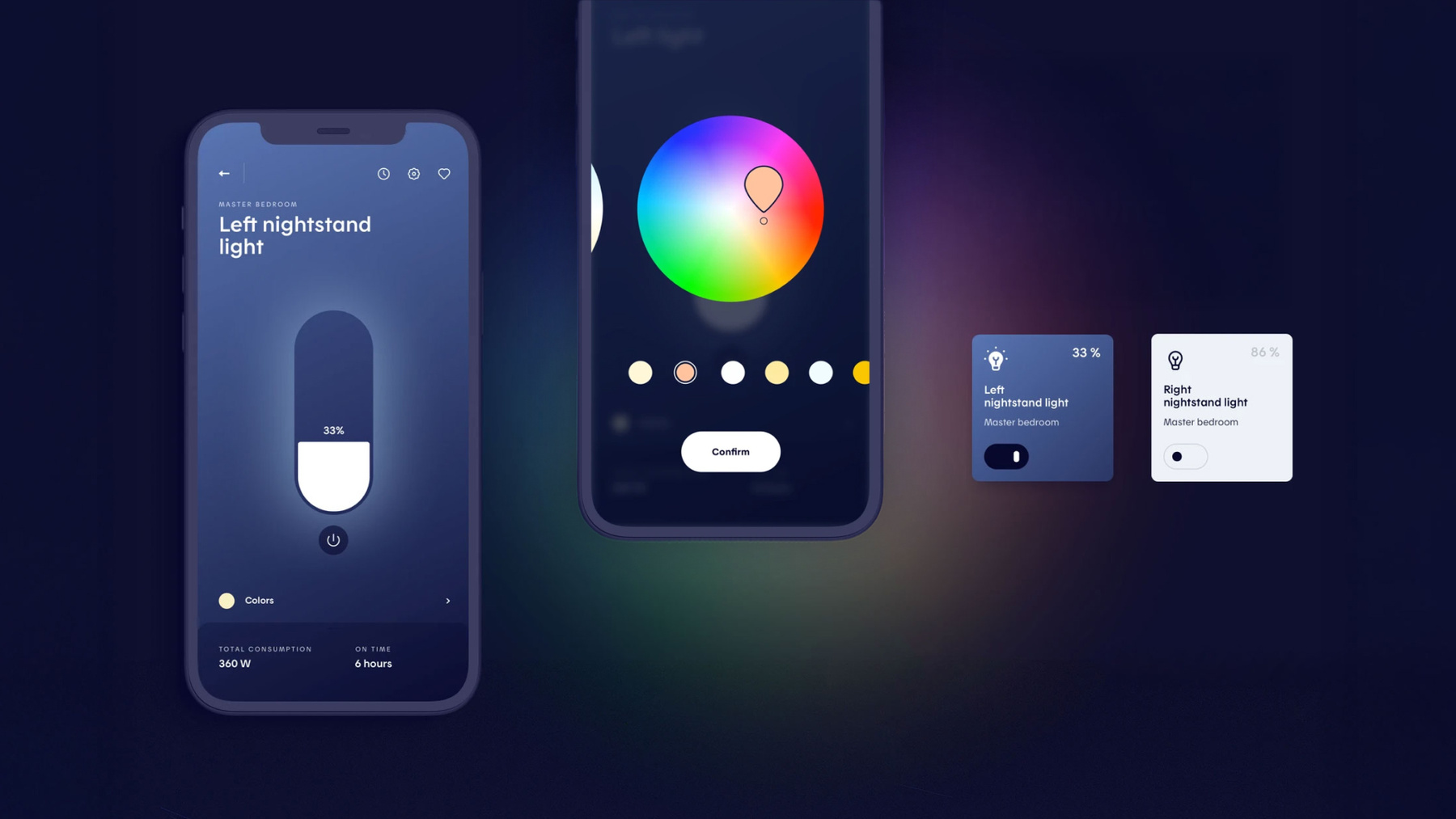
To compete with smart home giants, we developed home automation tools that provide users with maximum control over their products. Our objective was to create more accessible alternatives, so we designed these features for ease of understanding and use, without compromising their power.
Visualizing energy consumption
Energy usage data offers immense value, provided it is comprehensible. Rather than overwhelming users with complex charts and graphics, we distilled the data into direct, actionable insights. While users retain the option to explore the raw data, they now benefit from a concise alternative offering recommendations to optimize their consumption, taking the guesswork out of the equation.
An iterative work approach
Given that Hilo integrates with connected products and the electricity meter, and requires professional thermostat installation, an alpha test was conducted on employees in the initial year to address key challenges. This was followed by a second-year beta test, open to 1000 clients. These tests facilitated a smooth official launch a year later, a significant accomplishment considering the complexity involved.
Alpha and beta testing
Given that Hilo integrates with connected products and the electricity meter, and requires professional thermostat installation, an alpha test was conducted on employees in the initial year to address key challenges. This was followed by a second-year beta test, open to 1000 clients. These tests facilitated a smooth official launch a year later, a significant accomplishment considering the complexity involved.
A success from collaboration
This project's success stemmed from forming a single, dedicated team comprising Hilo’s team and our own. We co-located in the same offices for the first year, effectively recreating a highly agile startup environment and completely removing the traditional agency-client barrier.
Our role on the project
Strategy & Business
- Data analytics, optimization and CRO
- CX Research and Journey Design
- SEO Strategy and Monitoring
- Content Architecture and Strategy
- Product Strategy and Roadmaps
- Project Management
- Lifecycle Marketing and Automation
Technology
- Accessibility (WCAG compliance)
- Full stack mobile & web development
- Ongoing Support & Maintenance
Design
- UX Design
- UI Design
- User testing
- Design systems
- Digital Branding
- Content design and copywriting